
Foundry Labs / From the community
Sovereign AI Deployment: Decide What Your Team Needs to Control
In this article
“Sovereign AI” can sound like a single hosting choice. Tokyo AI's Mistral meetup offered a more useful question: which parts of an AI system must an organization be able to operate, inspect and change itself? Eduardo Gonzalez's talk described a local agent assembled from open components. That makes the dependencies visible, but it does not make the work of governing them disappear.
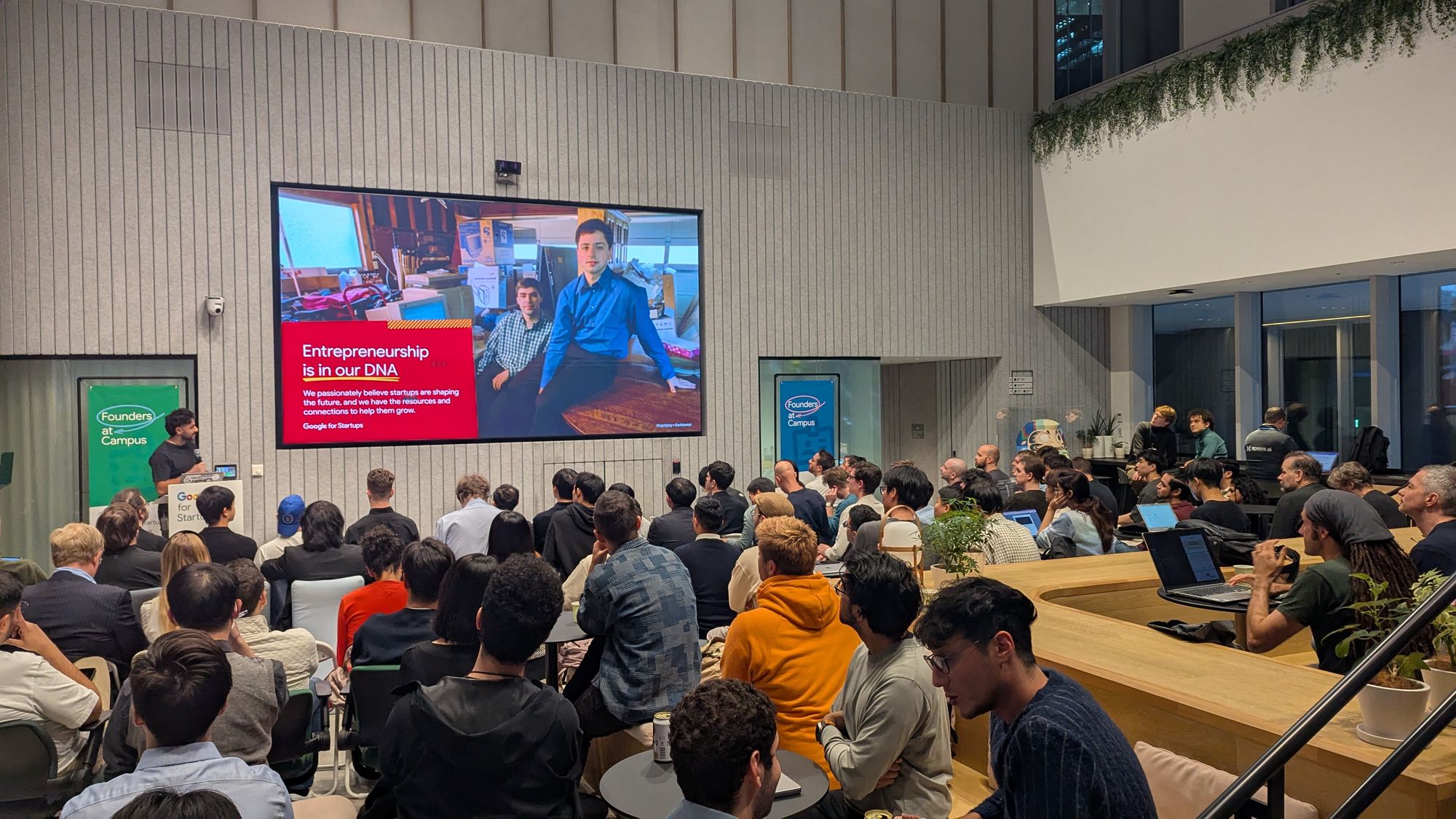
Define the control you actually need
Running a model locally can change where data is processed and who can administer it. Yet the full workflow still depends on model updates, application code, retrieval sources, hardware and people who can diagnose failures. A team may need strict control of one data source while accepting a managed service for another task. The word “sovereign” is useful only when those requirements are written down.
Eduardo's talk used Xircuits, Mistral and Hugging Face components to show how an agent can be assembled and improved locally. A self-improving loop deserves careful limits. What evidence shows that a change is better? Who approves a new tool or source? How can the team roll back a behavior that fails a business test? Without these answers, local hosting merely relocates an opaque system.
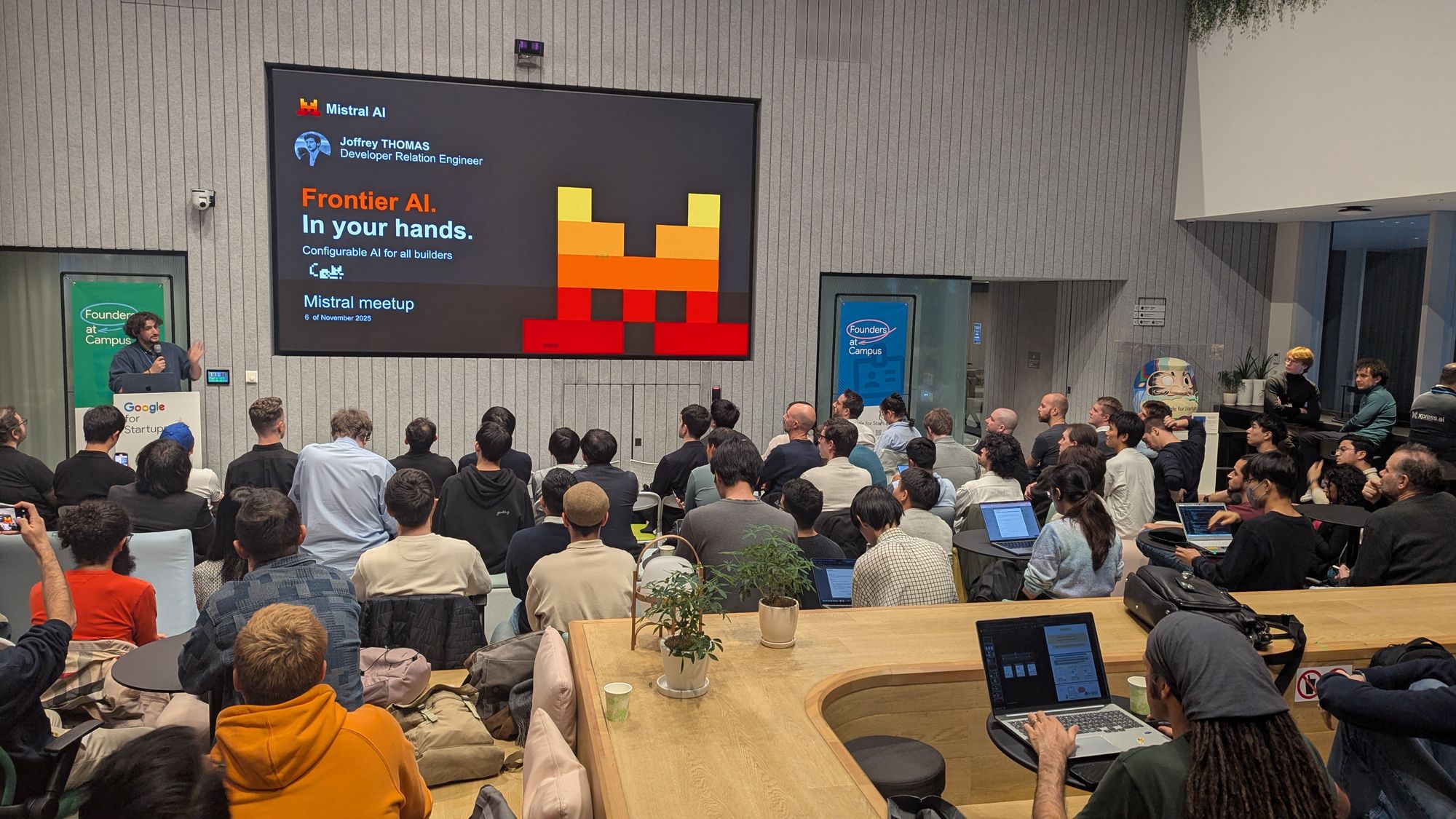
Test the exit path before deployment
Consider an internal research assistant that retrieves policy and contract documents. An illustrative production review would define where the documents reside, which user identities the assistant acts for and whether retrieval respects existing access rules. It would test an upgrade against known questions, log the version used for each answer and keep a fallback if a model change degrades performance. The team should also rehearse moving to a replacement model without losing the evaluation set or the workflow records.
The practical benefit of sovereign deployment is an operational capability: the organization can understand and adapt the system when suppliers, models or requirements change. That capability is built through engineering ownership, documentation and repeatable tests, not simply by placing a model on local hardware.
Tokyo AI is a community of builders, researchers and business leaders in Japan, run by Foundry Labs. See the event page.
Materials from the talks by Eduardo Gonzalez are available upon request. Please use our contact form and include the event title and speaker name.
Speakers
- Eduardo Gonzalez, founder and CEO, Xpress AI.