
Foundry Labs / From the community
100-Hour Game Builder Challenge: 11 teams at the Tokyo final showcase
In this article
On 17 September 2026, Tokyo AI (TAI) and OpenAI brought the 100-Hour Game Builder Challenge to its final showcase at Sakura Deeptech Shibuya in Shibuya Sakura Stage. Game developers, designers, artists, AI builders and founders had formed teams to create either AI-native game prototypes or tools for making games within a 100-hour build period.
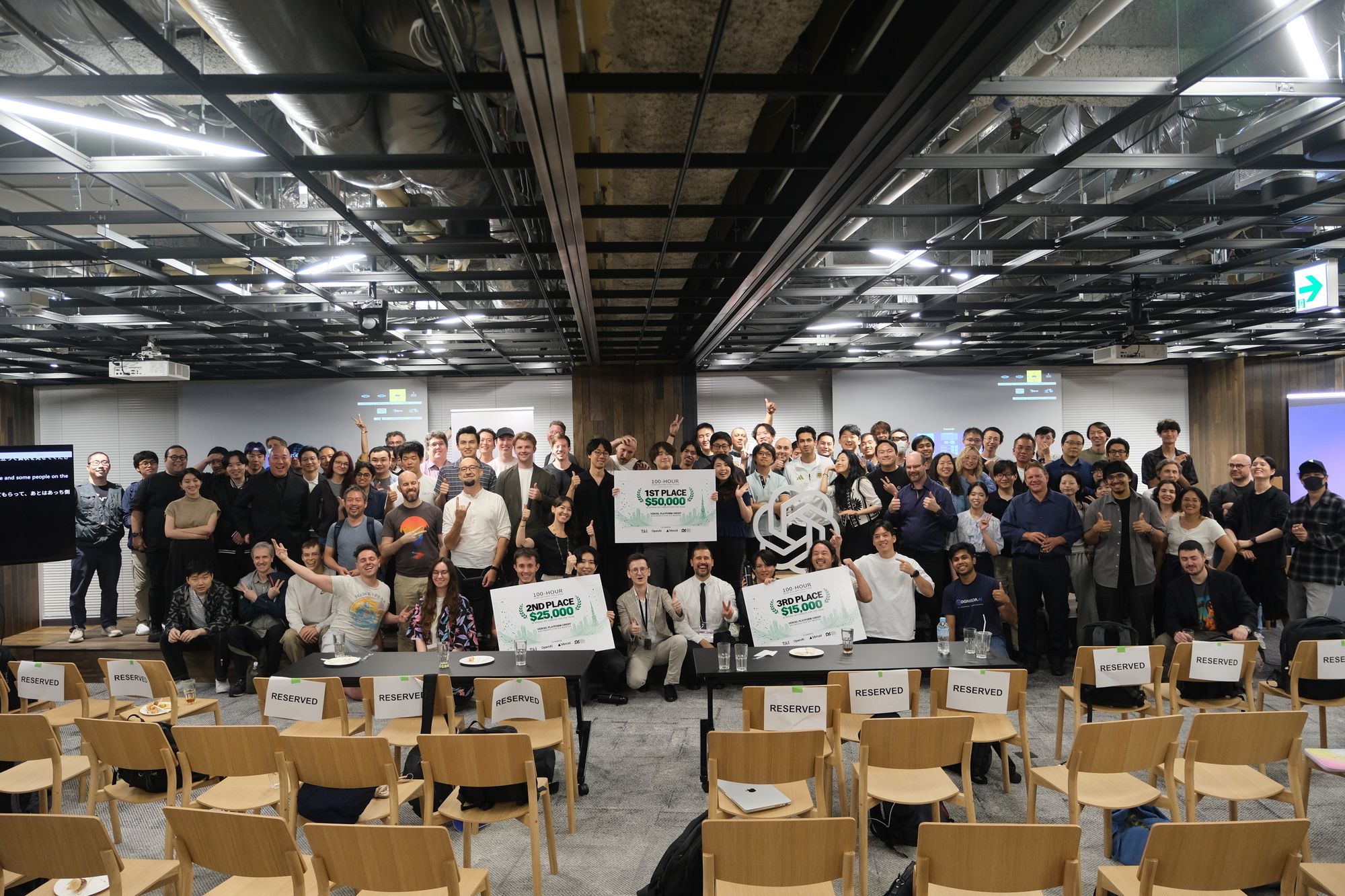
Eleven finalist teams presented live demos to judges from the game and AI industries. The field had been planned for ten; one more team was added at the last minute after its work caught the judges’ attention. The two categories, AI-Native Game Prototype and Game Production Tools, made room for different ideas: a game in which AI is part of the experience, and a tool that changes how a team develops, tests or produces one. The projects used technologies from OpenAI, Vercel and others.
What the finalists built for
The challenge asked teams to move beyond an idea and demonstrate a working prototype. For an AI-native game, the question was whether the model changed what a player could do or experience. For a production tool, the question was whether it improved a real step in making a game. That distinction gave the live demos a useful focus: viewers could see both the creative result and the role of the technology behind it.
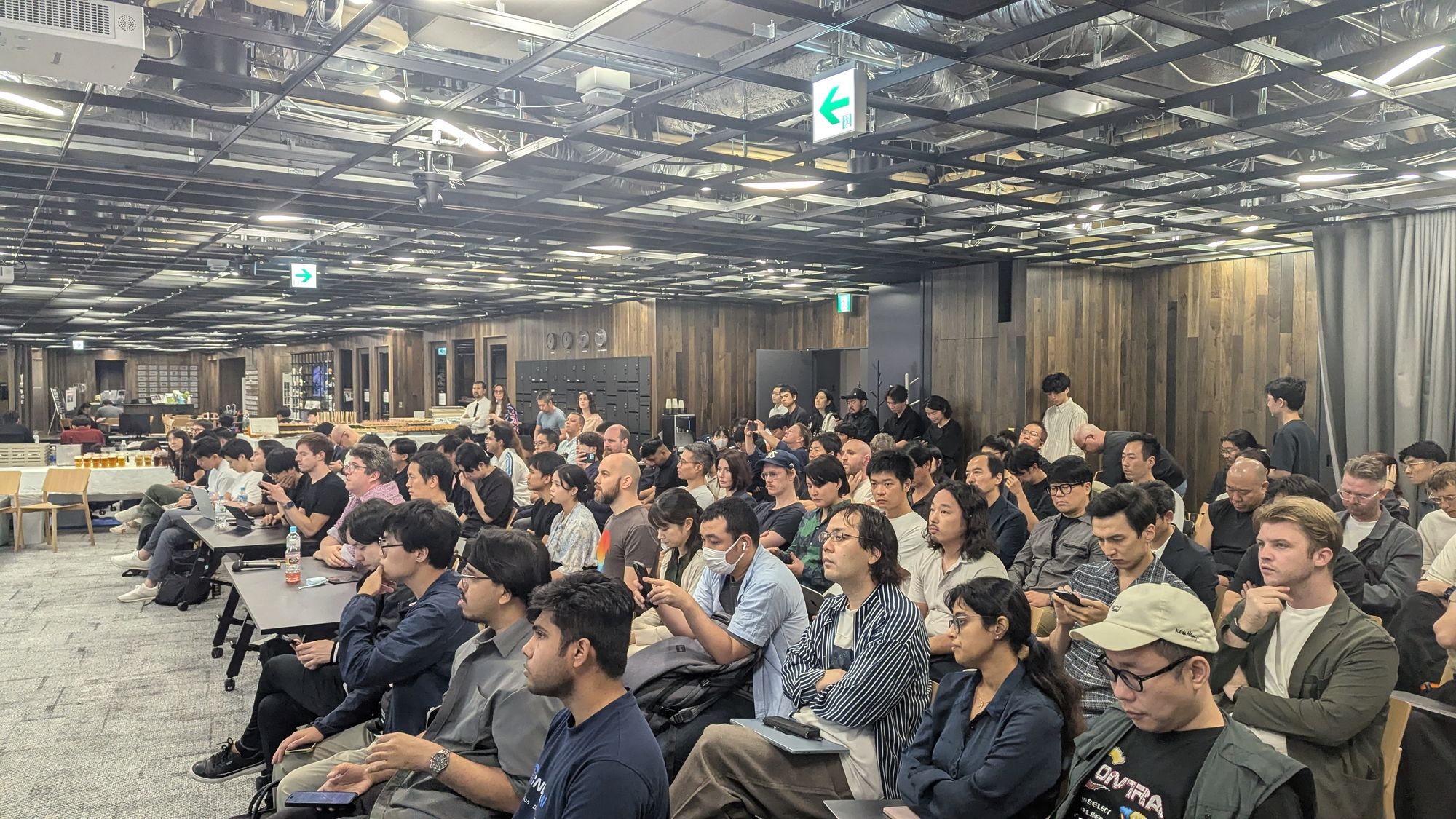
The judging panel included Justin Waldron, co-founder of Zynga and Playco; Jerry Chi, head of Supercell's Tokyo AI Innovation Lab; Shunsuke “Captain” Oyu, founder and CEO of AnotherBall; Rob Pereyda, co-founder and CEO of Henshin AI; Teddy Cross, co-founder and CPO of Playco; and Tyler Ryu of OpenAI. Their feedback considered the appeal of the game, the originality of its AI implementation and its potential as a product.
From showcase to the next build
Awards recognized standout work, with prizes including OpenAI API credits, ChatGPT Pro subscriptions and Vercel credits to support continued development. After the demos, participants, judges and industry guests continued exchanging ideas around the projects.
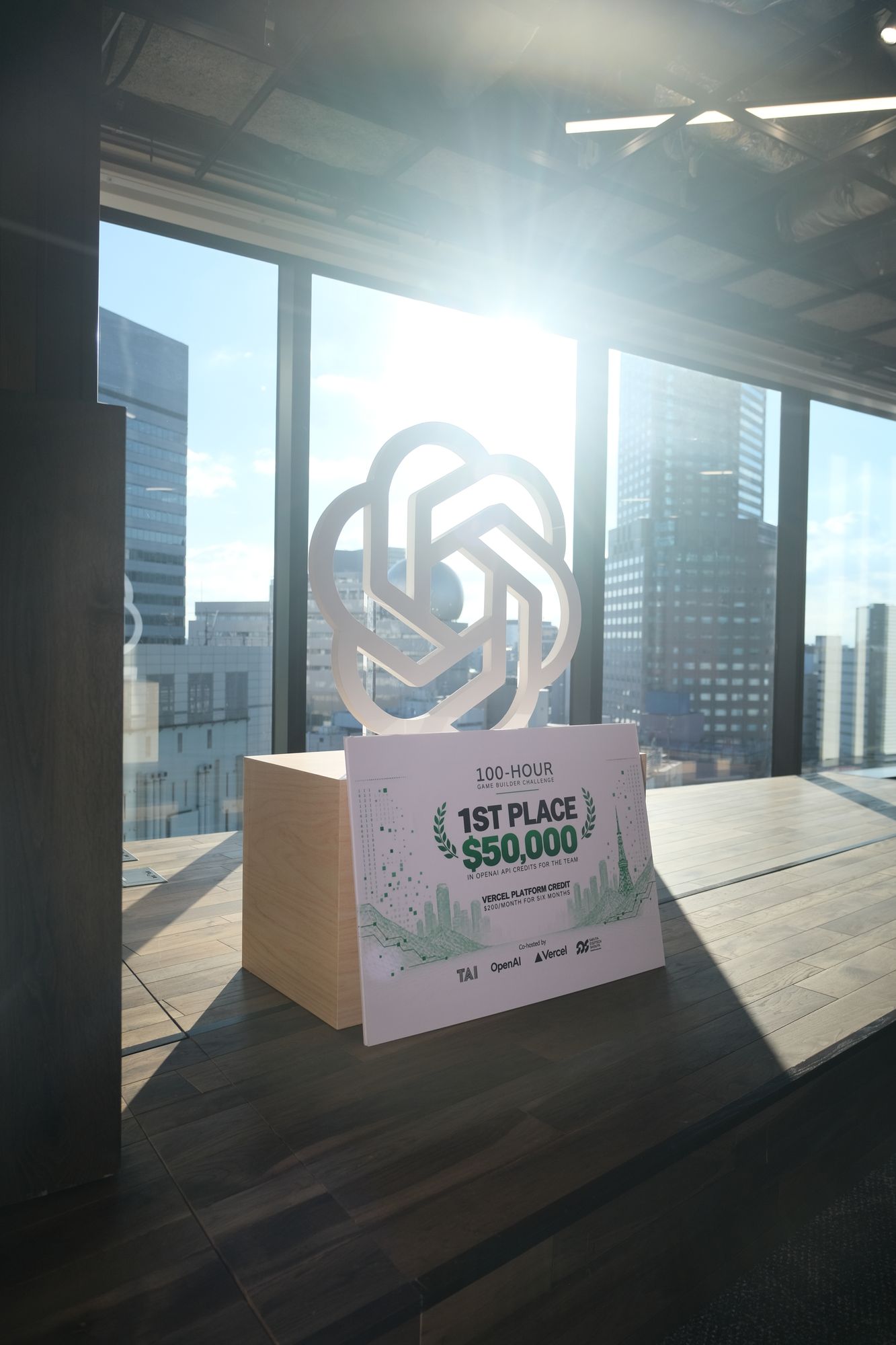
The 100-hour limit produced prototypes, not finished commercial games. The showcase made the next questions visible: which experiences are compelling enough to test with players, and which production tools save enough time or improve enough quality to become part of a team's workflow? Those are the questions that turn a hackathon result into a product development plan.
Tokyo AI is a community of developers, researchers, founders and technical leaders in Japan, run by Foundry Labs. See the final showcase event page and the original challenge page.
If your team is considering how to develop or operate an AI-powered game experience, contact Foundry Labs.
Judging panel
Justin Waldron (Zynga and Playco co-founder), Jerry Chi (Supercell Tokyo AI Innovation Lab), Shunsuke “Captain” Oyu (AnotherBall), Rob Pereyda (Henshin AI), Teddy Cross (Playco) and Tyler Ryu (OpenAI) served on the judging panel. Their roles are recorded in the showcase programme. This is an event report, so the panel is acknowledged here rather than presented as a set of speaker profiles.
All articles