
Foundry Labs / From the community
Construction Robotics: Plan for the Site, the Machine, and the Operator
In this article
An excavator does not work in the controlled environment of a robot laboratory. At Tokyo AI's AI x Construction event, Amin Safavi's talk on heavy robotics made the deployment problem concrete: a machine must operate within a site workflow, with powerful actuators, changing loads and people whose work depends on its next move.
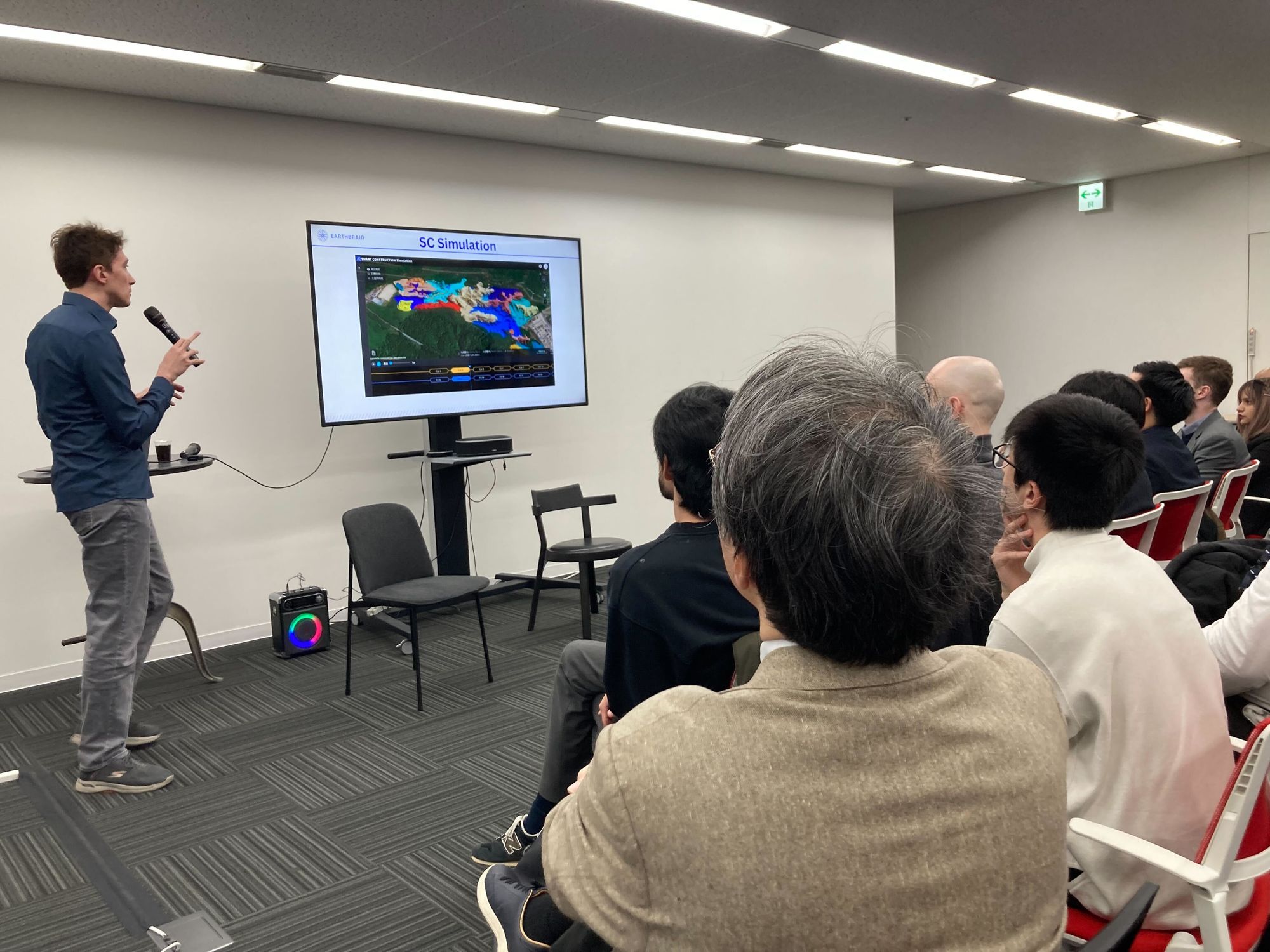
Design for the machine that exists
Amin contrasted mainstream robotics with heavy machinery. Hydraulic systems can deliver the force needed for construction tasks, but their control, maintenance and efficiency differ from the electric drives familiar in many smaller robots. The machine's mechanism also matters. A boom can flex, cables and chains change the dynamics, and attachments alter what the controller must predict. A motion plan that works in a simplified simulation may be unsuitable once these effects are present.
His talk also identified process integration and field coordination as larger challenges. A site is not one repeatable test scene: tasks, ground conditions, nearby workers and other machines change. The operating plan must specify where the robot is allowed to act, how a person intervenes and what happens when observations or controls are unreliable. That is a system-design question, not simply a better model-training problem.
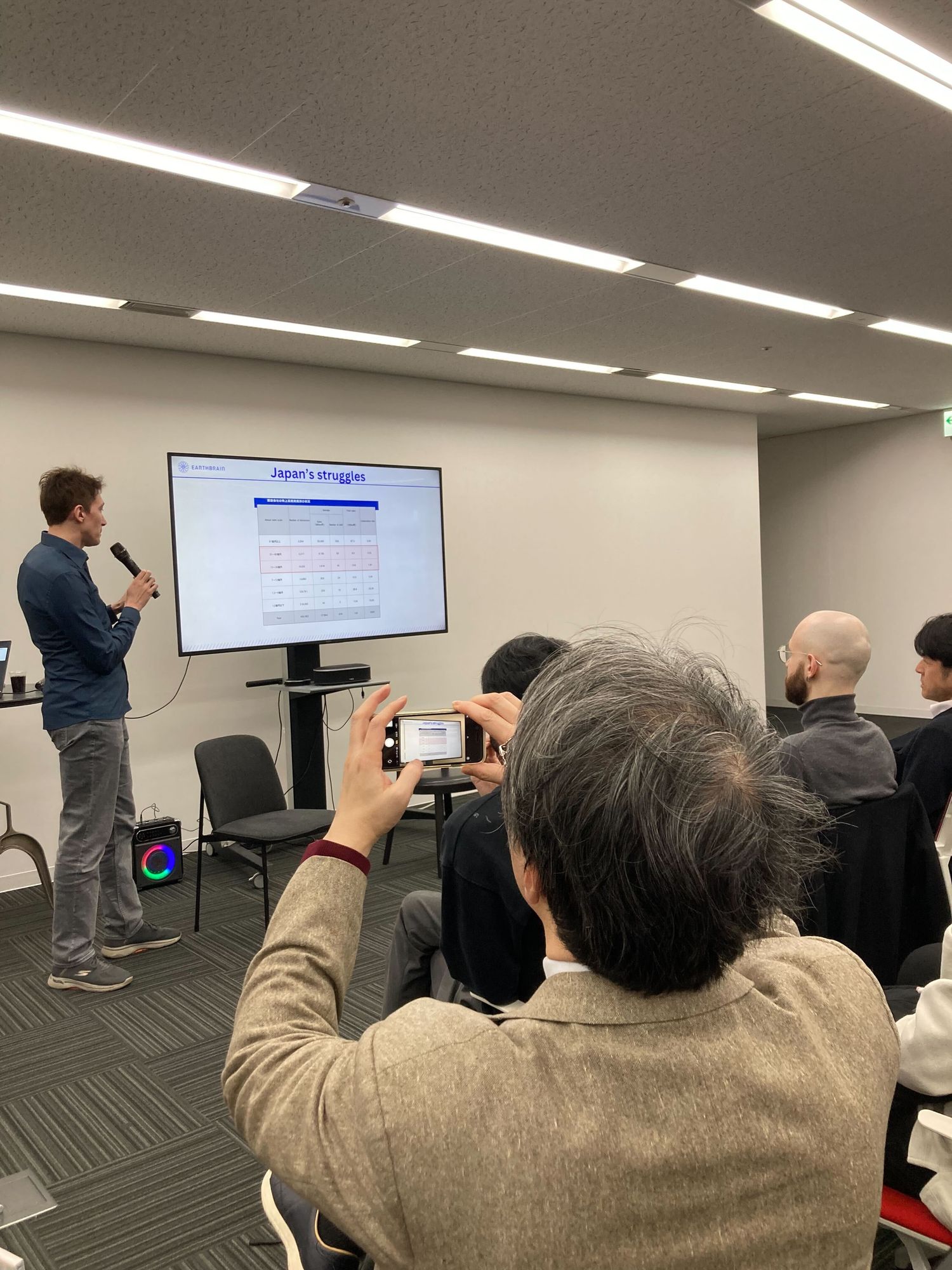
Review the route from pilot to site work
Take an illustrative excavator loading task. A pilot might show that a controller can move material within a marked area. A live process needs a defined work zone, a way to verify that people and equipment are clear, a handover to a human operator and a record of interruptions. The team should test changed soil, different attachments and sensor faults before expanding the operating envelope. A successful demonstration is evidence for the next review, not a blanket permission for autonomous operation.
For construction teams, the practical measure is whether the machine improves a whole job while staying inside a safe, maintainable process. The task owner, machine engineer and site operator need a shared answer to that question. Heavy robotics becomes deployable when their decisions are designed together.
Tokyo AI is a community of builders, researchers and business leaders in Japan, run by Foundry Labs. See the event page.
Materials from the speakers’ talks are available upon request. Please use our contact form and include the event title and speaker name.
Speakers
- Amin Safavi, Robotics Control Engineer, DeepX.