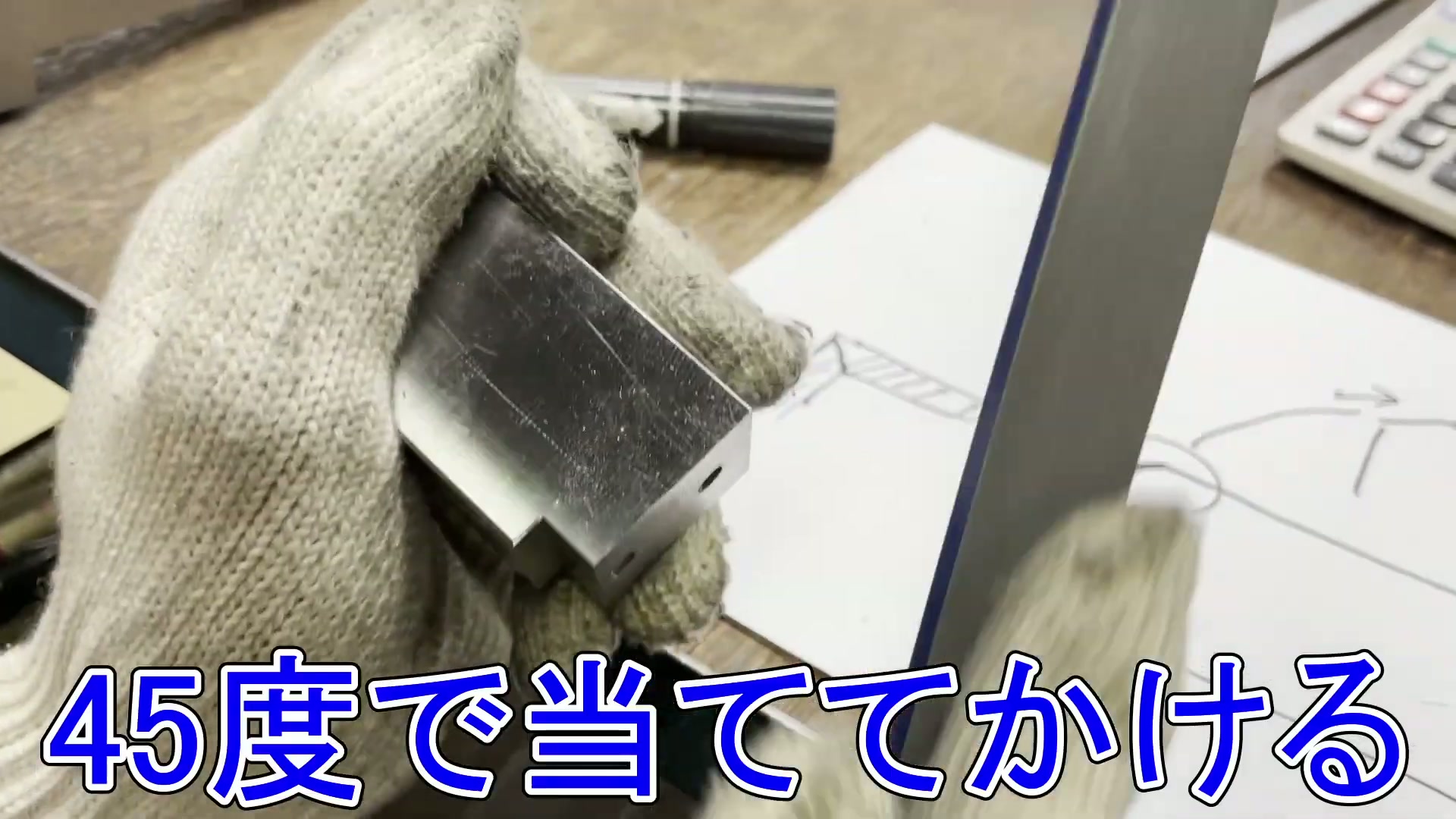
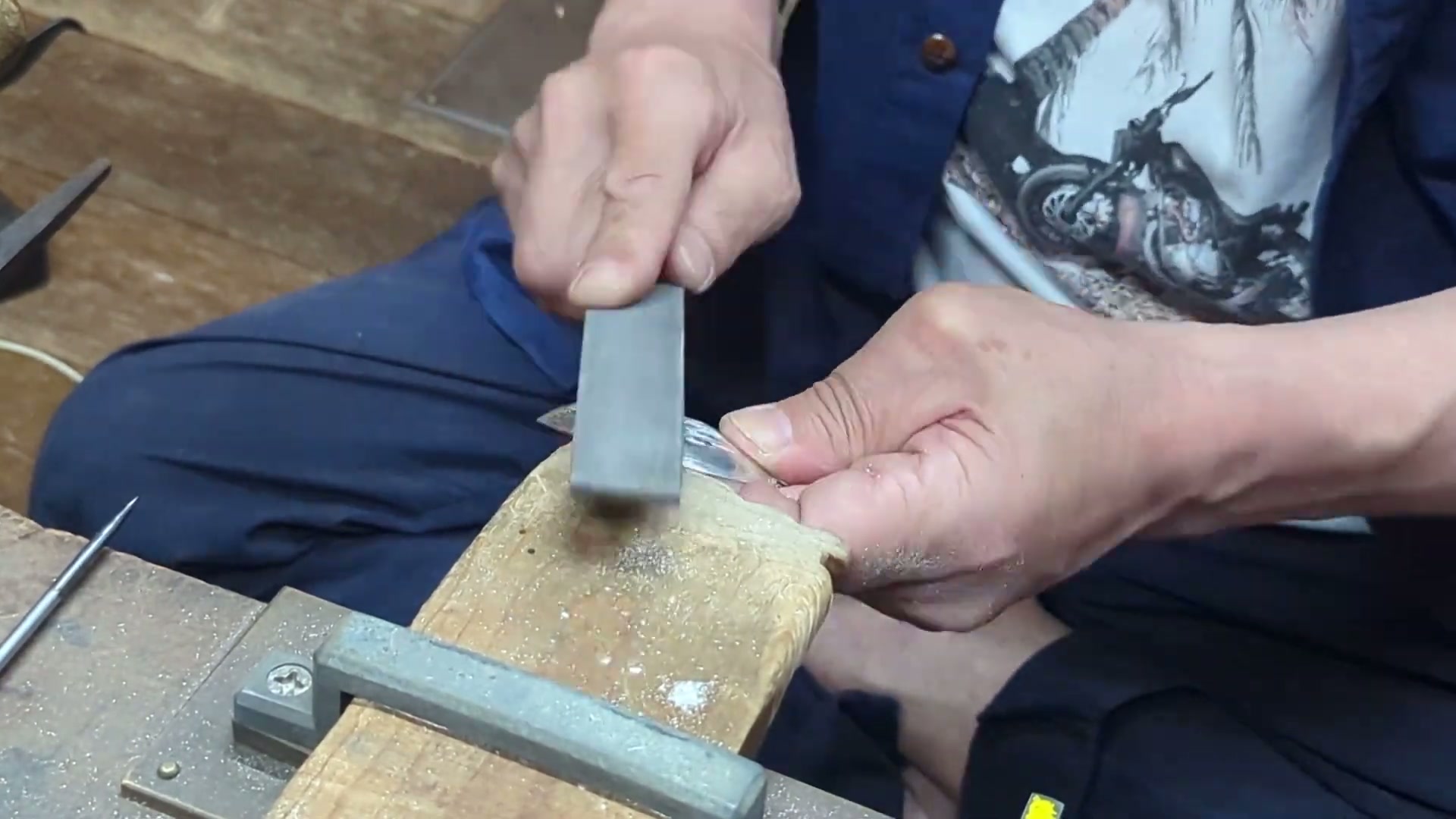
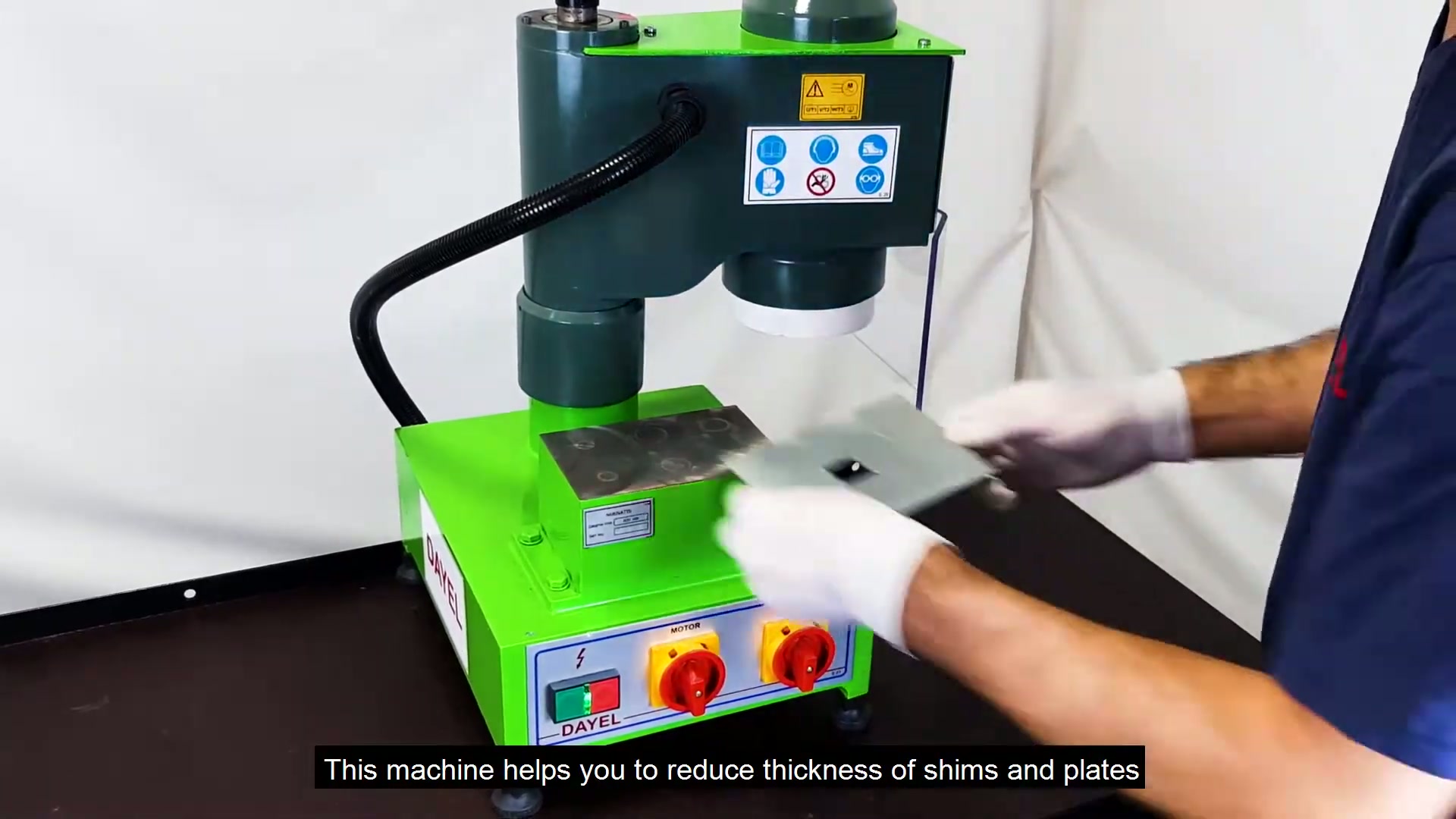
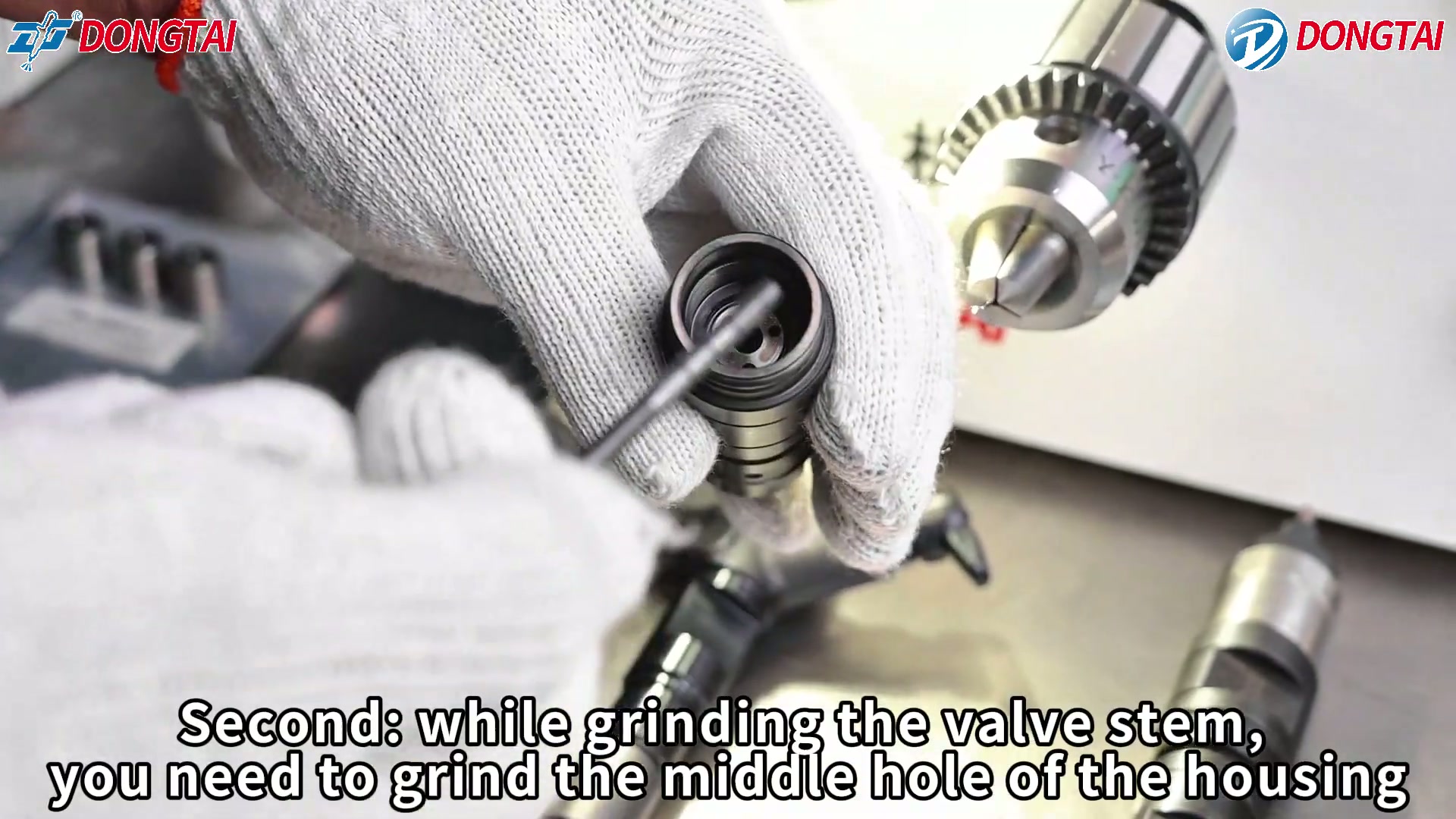

「all the way threaded in, we mount our wheel. Today we're going to be using a TeraLit RAA 100 grit pink」
segment 2 · 11.30s
Open questions · Human–AI collaboration
The AI formulates questions from the gap between what the source supports and what a learner still needs. An expert answer becomes a provenance-bearing graph node and updates the related process context.
Progress
0 / 6
01 · QUESTION FORMULATION
The system does not plausibly fill gaps. It fixes the source-supported boundary, then asks only for learning-critical fields that remain unstated.
Ground speech, on-screen text, entities, and motion in time
Separate process, action, attention, and criteria
Find absent criteria, values, exceptions, rationale, or identity
Avoid leading the answer and retain source links
Add accepted evidence and mark the question resolved
02 · OPEN QUESTIONS
Select a question to inspect why it was generated, its evidence, and the exact graph patch an answer will create.
The object or source wording is visible, but an approved name, part number, or governing document cannot be established from the video alone.
Identify the three components — The practitioner names three RID-spindle components: main shaft, mounting arbor threaded into the shaft, and the wheel mounted after the arbor is fully threaded.
Controlled identity or authority
v8-speech-components03 · GRAPH UPDATE
Applying an answer immediately changes the question state and adds a human-verified evidence node.
04 · SOURCE CHECKS
Transcript, OCR, and neutral-ID checks are a separate provenance gate—not answers to the skill questions. They remain available below.
Listen and confirm whether the displayed source-language text matches the recording.
「all the way threaded in, we mount our wheel. Today we're going to be using a TeraLit RAA 100 grit pink」
segment 2 · 11.30s
「start with the resin then I'm going to add some hardener and I'm going to use a coffee stir stick.」
segment 6 · 31.98s
「epoxy in the center of the wheel. Very important to keep this wheel clean and have a good bond」
segment 9 · 48.20s
Continue with this source
Switching views preserves the same source hash across instruction, analysis, skill structure, evidence, and human review.