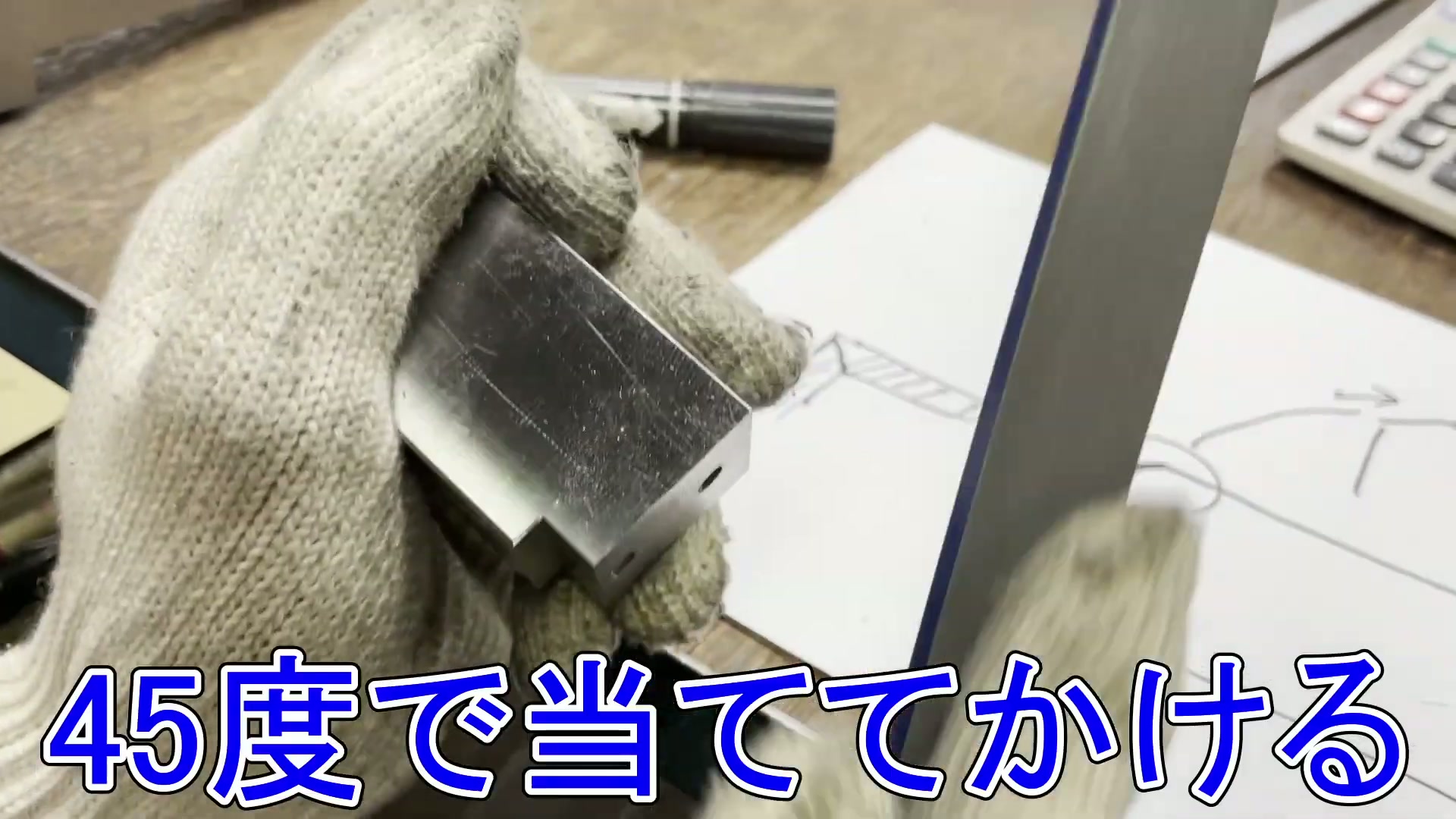
「知ってもらえたらいいかなと思いますので」
segment 16 · 56.42s
Open questions · Human–AI collaboration
The AI formulates questions from the gap between what the source supports and what a learner still needs. An expert answer becomes a provenance-bearing graph node and updates the related process context.
Progress
0 / 12
01 · QUESTION FORMULATION
The system does not plausibly fill gaps. It fixes the source-supported boundary, then asks only for learning-critical fields that remain unstated.
Ground speech, on-screen text, entities, and motion in time
Separate process, action, attention, and criteria
Find absent criteria, values, exceptions, rationale, or identity
Avoid leading the answer and retain source links
Add accepted evidence and mark the question resolved
02 · OPEN QUESTIONS
Select a question to inspect why it was generated, its evidence, and the exact graph patch an answer will create.
A baseline method is shown, but the conditions that change it across materials, geometry, or state are unstated.
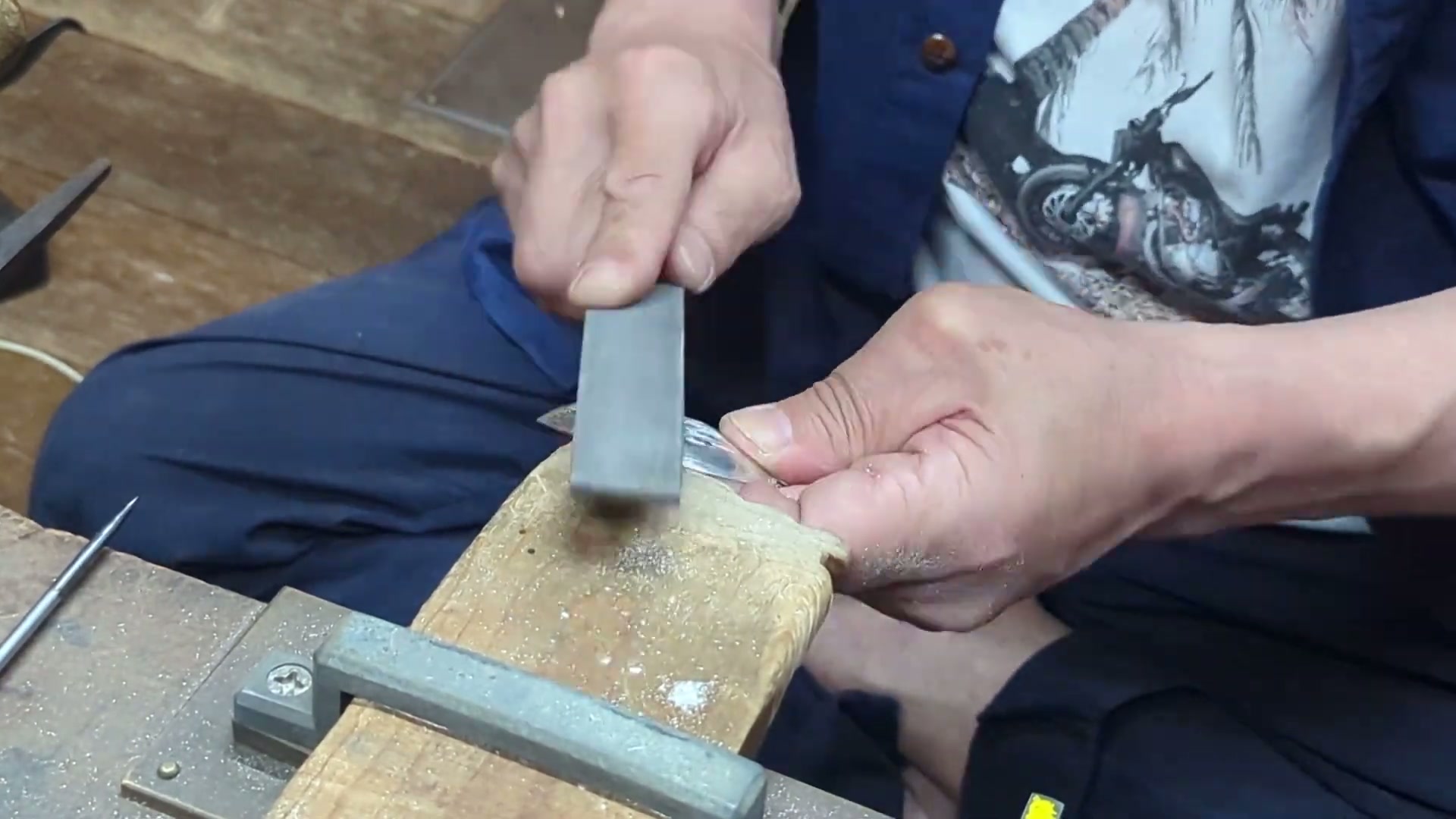
Choose a file for the area — Files differ in size, coarse/medium/fine cut, and profiles such as flat, half-round, triangular and square. The practitioner matches the shape to the area and identifies precision files for fine locations.
Applicability boundary or exception
v5-speech-shape03 · GRAPH UPDATE
Applying an answer immediately changes the question state and adds a human-verified evidence node.
04 · SOURCE CHECKS
Transcript, OCR, and neutral-ID checks are a separate provenance gate—not answers to the skill questions. They remain available below.
Listen and confirm whether the displayed source-language text matches the recording.
「知ってもらえたらいいかなと思いますので」
segment 16 · 56.42s
「もう少し削ってみますね」
segment 40 · 171.66s
「スリータって僕ら言うんです」
segment 64 · 266.18s
Continue with this source
Switching views preserves the same source hash across instruction, analysis, skill structure, evidence, and human review.